AI Coloring Page Generator

WizGenerator's AI Coloring Page Generator turns a text idea into four black-and-white coloring-page variations with controlled line art.

Verified tool facts

Best for

Parents, teachers, and adult coloring hobbyists who want four black-and-white line-art variations from a text idea.

Cost
Free
Sign-up
Not required
Input
Text prompt
Images
4 variations
Ratios
3 choices
Action
Download
Not for

Photo-to-line-art conversion, uploaded-image editing, print calibration, rights clearance, or guaranteed educational accuracy.

Quick-fill an example

Your Coloring Page Variations

Ready
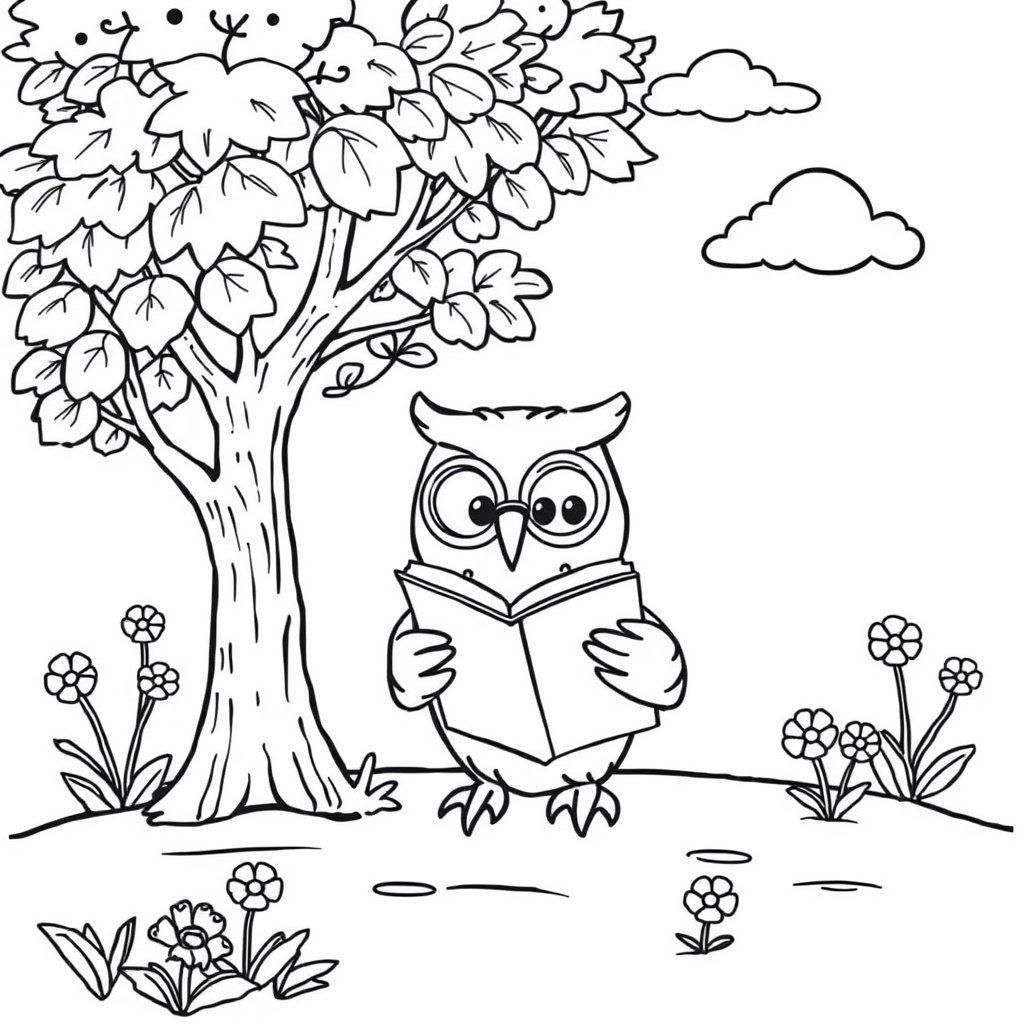
Saved AI example

Generated by the live AI Coloring Page Generator from the selected sample. Generate again to replace it with your own result.

Generated image direction 1
Direction 1
Advertisement

Design a Page People Can Actually Color

Describe a Subject With Room to Color

Begin with the coloring experience rather than a bare noun. State who will use the page, what the central subject is doing, and how much open space the activity needs. A child-friendly scene may rely on broad shapes and a clean background, while an adult pattern may invite more enclosed detail. Audience and use context turn a visual idea into a brief that can guide a usable page.

Name only the objects and relationships that matter to the activity. Place essential details in Must include and use Consistency notes for recurring features across the four variations. Keep the request proportional to one page; a crowded inventory can leave no comfortable area to color. The text brief should decide the visual priorities while the image model explores arrangement.

Set Line Complexity for the Person Coloring

Age and detail level should agree. Preschool and young-child pages often need bold outlines, large shapes, and few enclosed details. Older children can handle a simple scene with more objects, while teens and adults may enjoy finer botanical or decorative line work. Extra detail can hinder coloring when outlines crowd the boundaries between areas.

Choose a line language that matches the subject. Storybook outlines can make a scene feel inviting, an educational diagram can separate parts, and a detailed adult page can build a pattern of smaller shapes. Keep the requested black-and-white boundary firm. Color, gray fill, heavy shadow, and tiny texture can reduce the page's usefulness even when the central subject looks attractive.

Use Composition to Protect Open Areas

Composition decides where the hand will find space. A centered subject with an open background keeps the activity simple, while a foreground, middle ground, and background create a scene for older users. A decorative border can frame a central subject, but it should not squeeze the shapes that matter most. Aspect ratio also changes how much vertical or horizontal breathing room the page can hold.

Use negative prompts to remove the elements that commonly turn line art into poster art: readable text, logos, signatures, watermarks, gray shading, and dense fills. Add a use context when the page needs to work as a classroom sheet, tablet image, or quiet activity. The image model can vary arrangement, but the brief should decide what the person will actually color.

Inspect the Image Before You Share It

Review each variation at its planned display or print size. Confirm that the subject is recognizable, the outlines are open, the detail matches the audience, and the must-include objects appear. Check for accidental color, gray areas, unreadable marks, extra limbs, merged shapes, tiny crowded regions, and visual details that make the page difficult to fill.

Download only after the visual check. Test the file at the intended screen or print size and decide whether the paper, line weight, margins, and activity context work for the person using it. A generated coloring page is a visual draft, not proof of educational suitability, print calibration, ownership, or safe depiction. Human review remains part of the handoff.

Choose Generated Line Art or a Printable Library

A text-to-line-art generator creates variations from a custom idea, while a fixed library offers ready-made pages and a design editor gives more layout control.

AlternativeChoose whenWatch for
Adobe Firefly coloring pagesChoose when you want a broader creative image workflow around a coloring-page prompt.A broader image system may require more visual cleanup and still needs a line, detail, and print-use check.
Crayola coloring pagesChoose when a ready-made page from a fixed subject library already fits the activity.A fixed library cannot create a custom subject or four arrangements from your own text brief.
Canva coloring pagesChoose when you need to arrange, decorate, or edit a page in a broader design workspace.A design editor adds layout work and does not make a generated line-art subject automatically suitable for coloring.

AI Coloring Page Generator Questions

Can I turn a photo into a coloring page?
No. This tool starts from a text description and does not accept a photo or uploaded image for conversion. A photograph needs a separate image-conversion tool and its own privacy and likeness review. It cannot preserve a photographed likeness or trace a reference image inside the generated page.

Can I edit an uploaded image here?
No. The contract creates four image variations from a text brief. It does not retouch, erase, recolor, crop, inpaint, or apply a selected-area edit to an uploaded image. Describe the subject and desired line-art treatment in text instead.

Will the images be pure black-and-white line art?
The prompt is designed for black outlines, open white areas, no color, and no gray shading. Inspect every variation because image generation can introduce fills, marks, or small details that need rejection. Download the version that passes your own line-quality and use check.

Can I choose the child's age or detail level?
Yes. Audience age and detail level guide line weight, enclosed shapes, and visual complexity. Young children generally need larger open areas, while older users may prefer more detail. Those settings guide the image but cannot guarantee that every variation will suit a particular motor, visual, or educational need.

Does it add labels or educational facts?
No. Readable labels, factual diagrams, curriculum accuracy, and educational certification fall outside the contract. If the brief requests a subject with recognizable parts, inspect the result for visual clarity and verify any teaching content separately before using the page in instruction.

Can I print the downloaded image?
You can download a variation and test it for your intended use. Paper size, margins, resolution, ink coverage, and printer behavior remain outside the tool's calibration, so check the file with your intended printer or screen setup.

Next Steps

Continue with a useful next action based on what you just created.

Continue With the Finished Image

After inspecting the line art, download the variation that fits the use and check its detail, size, and appropriateness before printing or sharing it.

Add this generator to any page with a simple embed.

Get embed code